Our take on plastics and food
There is a lot of information circulating causing many of us to think more deeply about our own everyday exposure to plastics.
Until recently, most people rarely paused to consider the materials our food comes into contact with, and the effect of those materials on our bodies. Not just the ingredients themselves, but the containers, utensils, cookware, wraps, bottles, and surfaces involved in how food is prepared, stored, and reheated.
There are growing concerns around plastics, including the ways heat, food contact, and everyday use may contribute to our exposure to plastic-associated chemicals and microscopic plastic particles. While research is still evolving, one thing feels increasingly clear: the kitchen is one of the most practical places to make simple, meaningful changes.
These changes need not come from a place of fear, and not from a pursuit of perfection, but from the understanding that small choices, repeated over time can have a big impact on our health and wellness.
When I first began cooking for people,I committed to feed others the same way I feed my own family: with no compromises and no shortcuts. That commitment still guides Kindred today.
Our meals are:
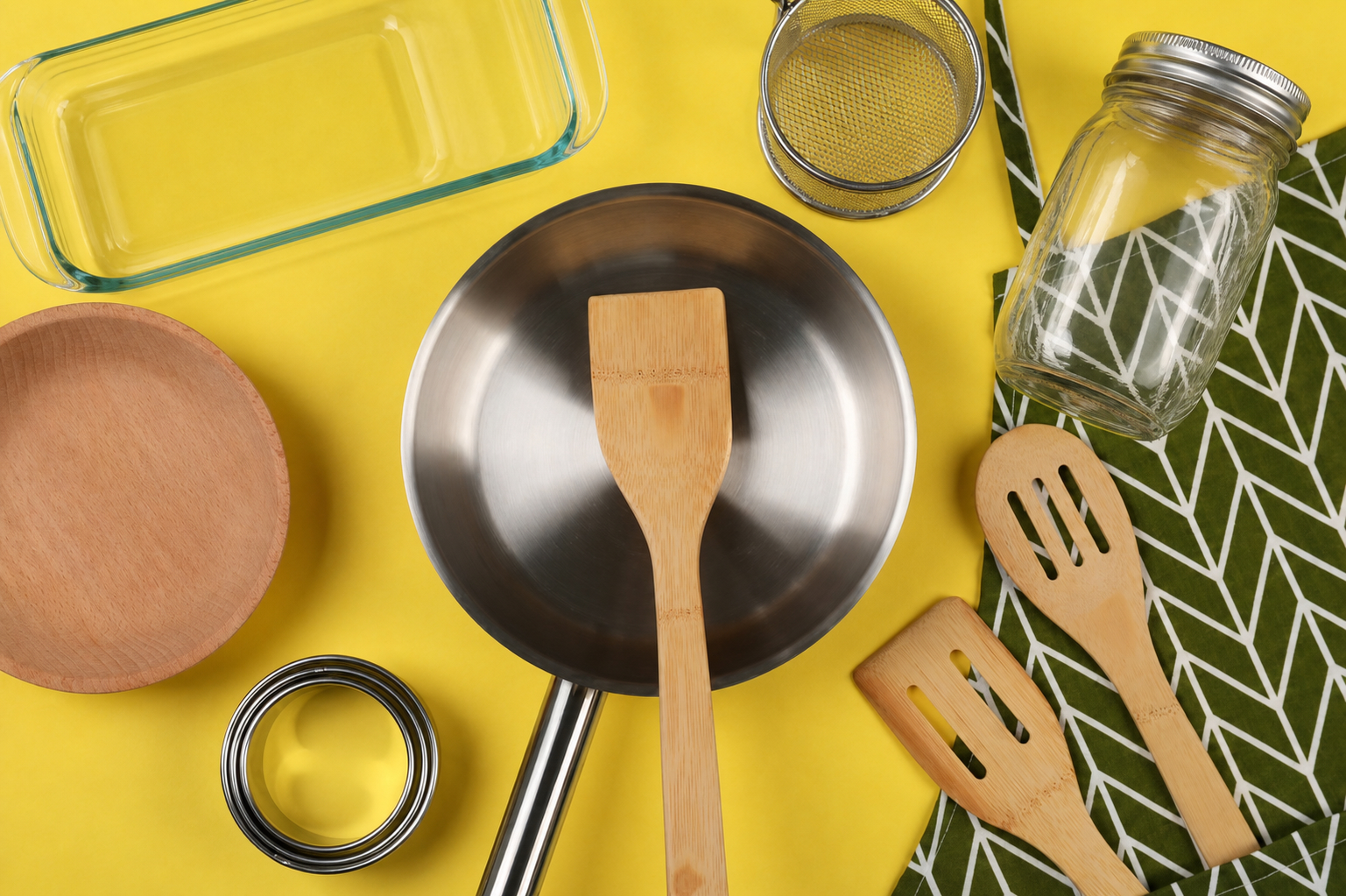
prepared using wood and titanium cutting boards and utensils
cooked in stainless steel (never non-stick pots or pans)
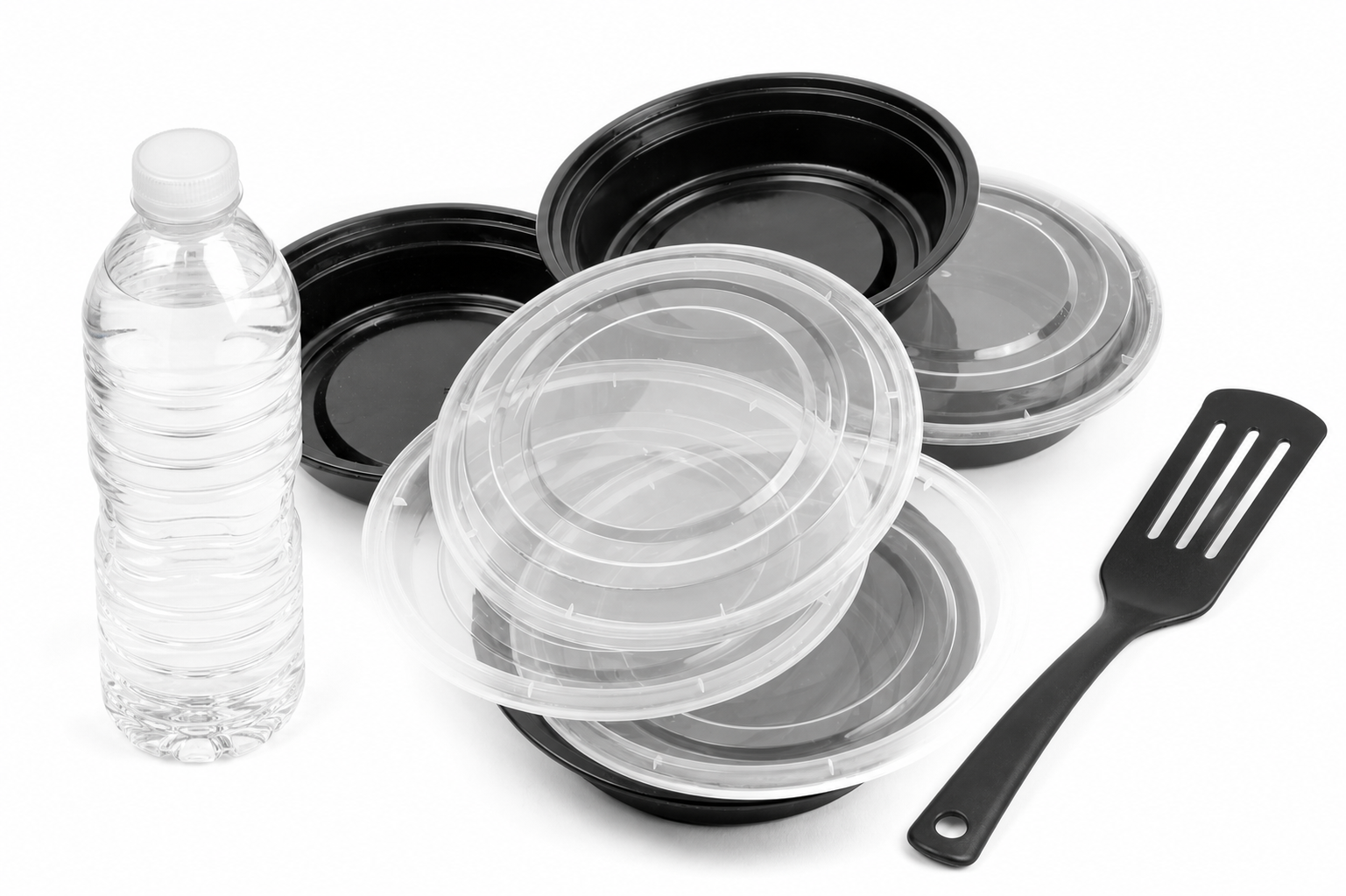
cooled in glass, with nothing hot ever coming into contact with plastic
Because of this, I wanted to share a few simple things you can do at home to combat microplastics:
1. Avoid hot food touching plastic when possible
Heat changes the equation. Whether it’s leftovers, takeout, or meal prep, warm food in plastic may increase the transfer of certain compounds into what you are eating. Glass, ceramic, and stainless steel are simpler, more stable choices for hot food.
2. Think beyond ingredients
We spend a lot of time thinking about food quality, and rightly so. But how food is handled matters as well. The container, the cooking surface, the storage method, the tools used in preparation… these details are easy to overlook, but they are an important part of the full picture.
3. Reduce exposure where it’s easiest to do so
You don’t need to overhaul your entire life. Often, the most realistic shifts are the ones that you can make happen easily in the kitchen:
storing leftovers in glass
letting hot food cool before covering it
choosing less packaged food when you can
4. Progress matters more than perfection
Plastic is deeply embedded in modern life. Most of us will never eliminate it completely, and that’s okay. This doesn’t have to become an all-or-nothing project. Even a few intentional swaps can make a big difference.
Change can start small.
A glass container instead of plastic. A wooden utensil instead of a synthetic one. A little more care around how food is heated and stored.
These aren’t dramatic changes. But they’re thoughtful ones.
If this is important to you, you’re not alone. I’ve gone through my own personal journey reducing plastics in my kitchen, and I’d love to connect if you’re on a similar journey.